Three Wildland Firefighters Killed in Colorado Blaze. “It’s devastating for the wildland firefighting community.”
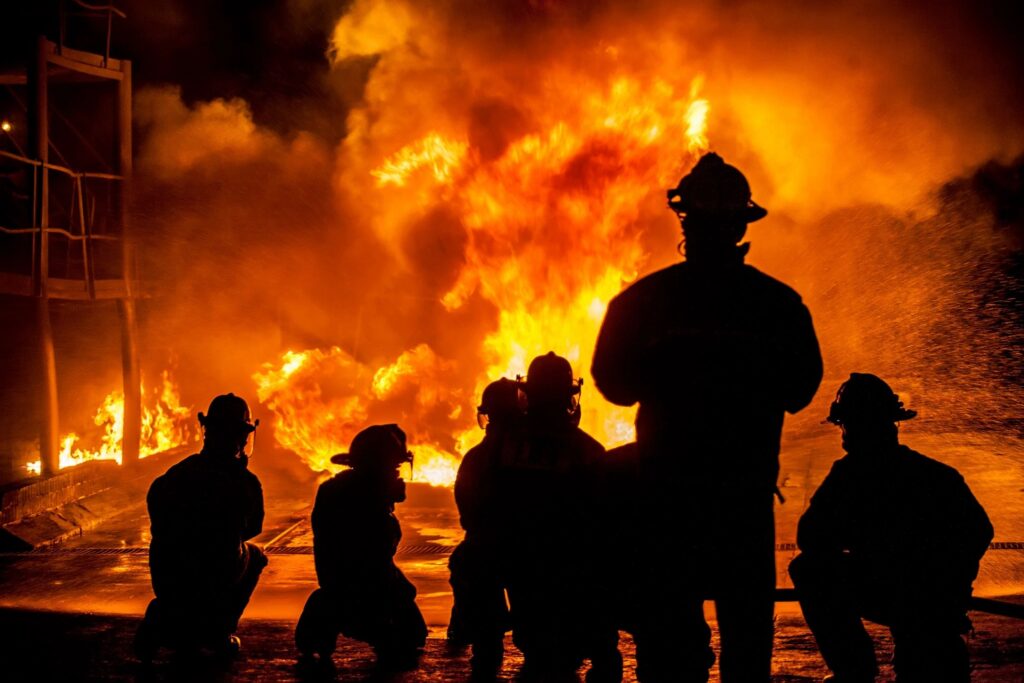
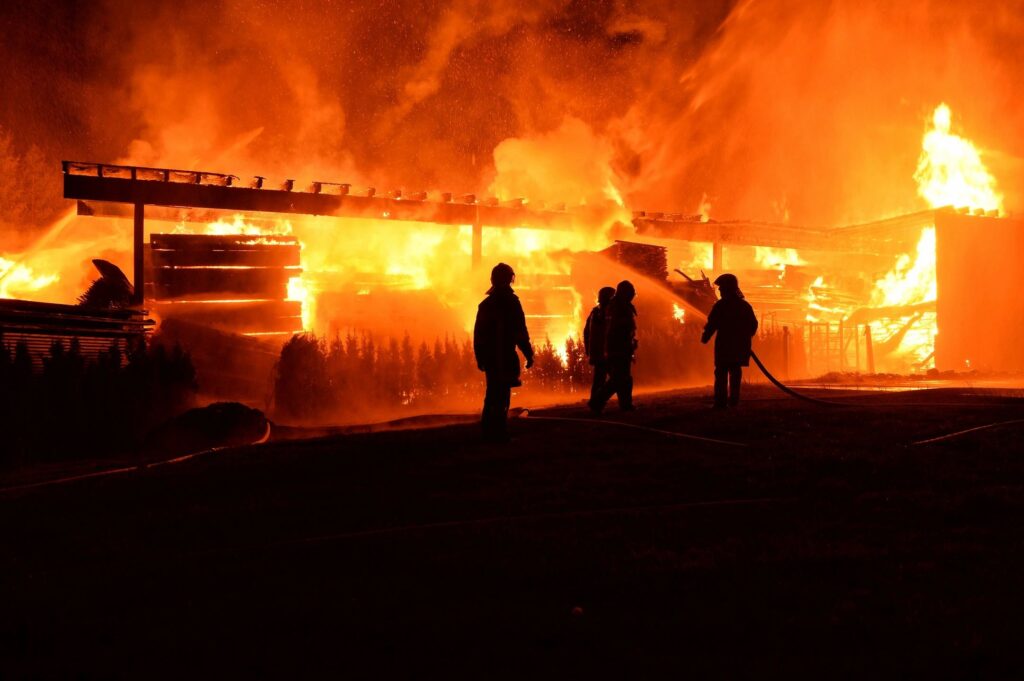
The firefighters had been sent by helicopter to fight a rapidly expanding fire near the state’s border with Utah. The region had been under an extreme fire danger warning.
By Nicholas Kusnetz
June 29, 2026
This article originally appeared on Inside Climate News, a nonprofit, non-partisan news organization that covers climate, energy and the environment. Sign up for their newsletter here.
Three wildland firefighters died over the weekend battling a blaze that was rapidly expanding across a remote area in western Colorado. The helicopter-based crew was making the initial attack on a fire that had spread over the Utah border and joined with several others burning in the area.
Two other firefighters survived the incident and were being treated for burns. The team had been forced to deploy fire shelters—small, reflective blankets—as they were overtaken by flames, according to the U.S. Forest Service.
“We mourn the loss of three firefighters who answered the call to protect others and made the ultimate sacrifice in service to their fellow citizens,” said U.S. Wildland Fire Service Chief Brian Fennessy, in a statement. “Our thoughts are with their families, loved ones, friends and crewmates as they face an unimaginable loss. These firefighters embodied the courage, professionalism and selflessness that define the wildland fire service.”
The firefighters were drawn from the Forest Service and the Wildland Fire Service, a new federal agency launched this year.
The crew had been dispatched to fight a fire that was then consumed by a larger blaze, called the Snyder Fire. As of Monday morning, four fires had merged and covered more than 28,000 acres, according to the Department of the Interior.
The three firefighters killed were Emily Barker, 38, of Clinton Township, Michigan; Nick Hutcherson, 27, of Glendale, Arizona; and Sydney Watson, 27, of Warrior, Alabama.
“It’s devastating for the wildland firefighting community,” said Riva Duncan, president of Grassroots Wildland Firefighters and a retired Forest Service firefighter. Wildland firefighters are a close-knit community, Duncan said, who “take service to the country seriously.”
The area along the Colorado-Utah border had been under a “red flag” warning from the National Weather Service on Saturday, with winds gusting 45 to 55 miles per hour and relative humidity as low as 7 percent. While the winds died down somewhat by Monday, the red flag warning remained.
Utah Gov. Spencer J. Cox last week temporarily banned fireworks across the state because of the risk of sparking fires. The state was experiencing one of its worst fire seasons on record driven by prolonged drought and extreme weather conditions, Cox said in a statement, adding, “We are seeing fire behavior that even our most experienced firefighters say they’ve never witnessed before.”
Colorado Gov. Jared Polis declared a disaster emergency on Saturday in response to the deadly fire, authorizing use of the National Guard.
Wildfire experts had warned that conditions across the West were primed for a dangerous season, with low snowpack and high drought severity. Climate change has worsened wildfire seasons across the globe by driving more extreme weather and prolonged droughts.
“Climate change is producing these fast fires that just can overwhelm conventional suppression strategies and tactics,” said Timothy Ingalsbee, executive director of Firefighters United for Safety, Ethics and Ecology, an education and advocacy group. He said he didn’t know enough about the details of the Snyder Fire to comment on the conditions there, “but that’s a general statement that spans the continent.”
With a bad wildfire season expected, some experts had expressed concerns when the Trump administration announced last year that it would create a new agency to oversee wildland firefighting. Those efforts had previously been spread across several agencies.
Duncan, of Grassroots Wildland Firefighters, said she had seen no evidence that the reorganization had affected the nation’s ability to fight fires, however. Fennessy, the agency’s chief, is an experienced firefighter.
As of Monday afternoon, federal agencies had released few details about the conditions surrounding the incident that left three firefighters dead and two injured. The Interior Department said it was mobilizing a “serious accident investigation team” to review the circumstances.